
Planning your next trip shouldn’t feel like guesswork. If you’re searching for smarter ways to book flights, uncover better fares, and discover destinations beyond the usual tourist hotspots, you’re in the right place. This guide delivers timely travel horizon headlines, practical flight booking tips, and proven fare optimization tactics designed to help you travel more while spending less.
Many travelers overpay for tickets or miss out on incredible experiences simply because they don’t know where to look. We break down destination planning strategies that highlight both popular routes and overlooked cultural cities that offer richer, more authentic experiences without the premium price tag.
Our insights are built on continuous market monitoring, real-time pricing analysis, and hands-on evaluation of booking patterns and travel trends. That means you’re getting actionable, data-informed guidance—not recycled advice.
By the end of this article, you’ll know how to spot better deals, plan smarter itineraries, and confidently choose destinations that deliver real value and unforgettable experiences.
Beyond the Postcards: Discovering the World’s True Cultural Soul
Paris vs. Porto. Kyoto vs. Kanazawa. The first names draw crowds; the second reward curiosity. Authentic travel means choosing places where life—not souvenir shops—sets the rhythm. Many argue iconic capitals hold the “real” culture (and yes, Louvre is timeless). But smaller cities often preserve traditions without performance. Think fado houses, neighborhood matsuri festivals, street markets untouched by cruise schedules. Seeking overlooked cultural cities isn’t about being contrarian; it’s about depth over display. Pro tip: fly midweek and compare airports for lower fares. Culture feels richer when you’re not standing in line.
Valparaíso, Chile: The Bohemian Jewel of the Pacific
Valparaíso isn’t polished—and that’s precisely why I love it. The city spills down steep hills toward the Pacific in a tumble of color, graffiti, and corrugated rooftops. It feels improvised, almost rebellious. You don’t visit Valparaíso for symmetry; you come for soul.
What makes it unique is its labyrinthine layout. The hills (cerros) twist into staircases and alleyways that double as open-air galleries. Murals stretch across entire buildings, turning daily life into a living canvas. The historic ascensores—funicular railways built in the late 19th century—rattle charmingly up impossibly steep slopes (and yes, they sound like they might retire at any moment, but they persist). UNESCO recognized the city’s historic quarter as a World Heritage Site in 2003, citing its distinct urban and architectural character (UNESCO).
Culture on Every Corner
La Sebastiana, Pablo Neruda’s quirky hilltop home, offers sweeping sea views and intimate insight into the poet’s world. In Cerro Alegre and Cerro Concepción, balconies bloom with flowers while cafés hum with conversation. Down by the port, fishermen, artists, and students blend into a rhythm that feels unapologetically authentic.
Some travelers prefer Santiago’s order. I get it. But if you ask me, Valparaíso embodies what overlooked cultural cities should be—messy, magnetic, and memorable.
- Pro travel tip: Fly into Santiago (SCL) and take the 90-minute bus ride west. Booking flights on a Tuesday or Wednesday often means lower fares, according to historical pricing data from Expedia and Hopper.
Matera, Italy: Echoes of History in Ancient Stone

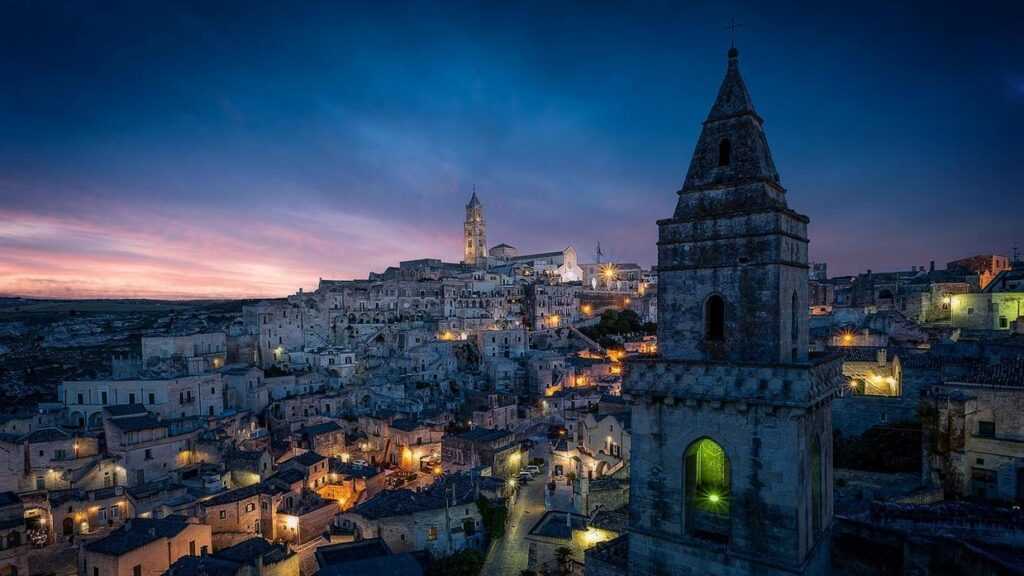
The first time I watched the sun set over the Sassi di Matera, the limestone glowed honey-gold, and for a moment, it felt like I’d stepped onto a film set (which, in fact, I had—The Passion of the Christ was filmed here). But this isn’t Hollywood magic. It’s one of the world’s oldest continuously inhabited cities, where homes are carved directly into rock.
The “Sassi” are ancient cave dwellings etched into soft limestone cliffs. Walking through them, I noticed doorways stacked atop one another, churches hollowed from stone, and staircases leading nowhere and everywhere at once. These rock-hewn churches, or chiese rupestri, are decorated with faded Byzantine frescoes—visual whispers from centuries past.
Some argue Matera is too touristy now, especially after becoming a European Capital of Culture in 2019. And yes, boutique cave hotels and wine bars have replaced parts of its once-impoverished quarters. But that revival is the point. In the 1950s, Matera was called “the shame of Italy” due to extreme poverty (BBC, 2019). Today, it’s a case study in cultural preservation done right.
Staying in a modern cave hotel was surprisingly luxurious—cool stone walls, minimalist design, and silence so complete it felt sacred.
Pro Travel Tip: Fly into Bari (BRI) and use flexible-date searches to snag lower fares during April-May or Sept-Oct.
If you’re drawn to overlooked cultural cities, Matera belongs on your list—right alongside dreams of remote escapes like remote island getaways with unique experiences.
Luang Prabang, Laos: Where Serenity Meets Spirituality
Luang Prabang is often described as peaceful, but that word barely scratches the surface. This UNESCO World Heritage site—meaning it’s officially recognized by the United Nations for its cultural or natural importance—sits at the meeting point of the Mekong and Nam Khan rivers. That river “confluence” simply means two rivers flowing together, shaping both landscape and daily life.
What makes it stand out among overlooked cultural cities is its architectural blend. Traditional Lao wooden houses rest beside French colonial villas, a legacy of 19th- and 20th-century European rule (think Parisian balconies, but with tropical palms). Some argue that tourism has polished the city a little too neatly. Yet strict preservation laws help maintain its character, preventing the overdevelopment seen elsewhere in Southeast Asia (UNESCO, 2023).
Cultural Rhythms You’ll Notice
Each morning, saffron-robed monks participate in Tak Bat, the alms-giving ceremony. “Alms” are food offerings given by locals to support monks, who follow a monastic code of simplicity. Visitors sometimes worry it’s become performative. Respectful observation—quietly and from a distance—keeps it meaningful.
Beyond the city, Kuang Si Falls cascade in tiers of turquoise pools rich in limestone minerals. In town, Wat Xieng Thong showcases classic Lao temple design: sweeping roofs and intricate gold stenciling.
Pro Travel Tip: Flights into LPQ can be expensive. Consider flying into Bangkok (BKK) or Hanoi (HAN) first, then booking a regional connection to save significantly. (Your wallet will thank you.)
Strategies for Unlocking Off-the-Beaten-Path Travel
Start with the “nearby airport” hack. Always compare fares into larger hub airports within a few hours of your destination; the savings can easily outweigh a short train or bus ride. For example, flying into Milan instead of a smaller Italian regional airport often cuts hundreds off the fare.
Next, embrace one-way bookings. Rather than locking yourself into a single airline, mix carriers to build the cheapest route. Budget airlines plus legacy carriers can work surprisingly well together (yes, even if it feels like travel Tetris).
Then, set smart fare alerts across multiple departure and arrival options. This is especially useful when exploring overlooked cultural cities that lack heavy traffic. Pro tip: check prices midweek when demand typically dips significantly.
Your Next Chapter of Discovery Awaits
Planning a trip can feel like staring at a blank canvas—exciting, but intimidating. Some argue the safest move is sticking to tourist hubs. But chasing only hotspots is like reading just the last chapter of a novel. Exploring overlooked cultural cities works differently. It’s like opening a hidden door in your house and discovering a library you knew existed.
With a blueprint:
- Research shoulder seasons for lower fares
- Set fare alerts and compare nearby airports
You turn inspiration into a boarding pass. Start boldly researching today and book the story you’ll want to tell.
Ready to Travel Smarter and Go Further
You came here looking for smarter ways to book flights, stretch your travel budget, and discover experiences most travelers miss. Now you know how to spot fare drops, optimize booking timing, and uncover overlooked cultural cities that deliver unforgettable value without the crowds or inflated prices.
The biggest frustration for travelers isn’t just high airfare — it’s the feeling of overpaying or missing out on better destinations. With the right fare optimization tactics and destination strategies, you don’t have to settle for expensive, predictable trips anymore.
Now it’s your move. Start tracking routes strategically, apply these booking tips before your next purchase, and explore destinations beyond the obvious hotspots. If you want expertly curated travel horizon headlines, smarter booking insights, and proven tactics that help you save more while seeing more, explore Ttweak Flight today.
Join thousands of savvy travelers who refuse to overpay and miss hidden gems. Plan smarter. Book better. Travel further.