

Dreaming of remote island getaways but unsure where to start? You’re not alone. Travelers often struggle to find secluded destinations that are truly worth the journey, reasonably priced, and logistically realistic. Between fluctuating airfares, limited ferry schedules, and hidden seasonal costs, planning the perfect escape can quickly become overwhelming.
This guide is designed to simplify that process. We break down how to identify the best islands for privacy and natural beauty, how to optimize your flight and accommodation costs, and how to avoid common booking mistakes that can derail your trip. Whether you’re seeking turquoise waters, untouched beaches, or off-the-grid adventure, you’ll find practical, step-by-step insights tailored to your search.
Our recommendations are based on current travel data, fare trend analysis, and proven destination planning strategies—so you can book with confidence and focus on what matters most: the experience waiting for you.
Beyond the Postcard
True seclusion is harder to define than brochures suggest. Some travelers insist any overwater villa qualifies; others argue privacy means no neighboring lights on the horizon. Frankly, I’m not sure there’s a universal standard. What I do know is that many so‑called private resorts still share beaches, docks, and airstrips.
So, what separates marketing from reality? Access and limits. The most authentic remote island getaways restrict arrivals, often reachable only by charter or carefully timed ferry. That extra effort filters crowds (and, yes, raises costs). Still, with smart routing and flexible dates, uninterrupted paradise is possible sometimes.
Defining Exclusivity: What Separates a Private Resort from a Private Island?
Exclusivity isn’t just about distance on a map; it’s about control over who shares your space. In my view, true seclusion blends limited access, low guest density, and deeply personalized service. A clifftop villa can feel private, but if twenty other guests are snapping sunset photos nearby, the illusion fades (and so does the magic).
That’s where the spectrum matters. A private villa inside a boutique resort offers partial privacy—your own pool, maybe a butler—yet common areas remain shared. By contrast, a full island buyout means no strangers, no schedules, just your circle and the sea. It’s the difference between closing your hotel room door and owning the hallway.
Service elevates both. Dedicated chefs, guides, and on-call staff transform logistics into luxury. And yes, difficult access—think charter flights or yacht transfers—naturally filters crowds. remote island getaways demand deliberate effort.
A Curated Atlas of Untouched Paradises
The South Pacific Dream: Pristine Eco-Luxury
In French Polynesia, The Brando sits on Tetiaroa, a private atoll once reserved for Tahitian royalty. Today, its villas run on solar energy and coconut oil biofuel, part of a SWAC (Sea Water Air Conditioning) system that draws cold ocean water to naturally cool interiors. Laucala Island in Fiji follows a similar ethos, with farm-to-table cuisine sourced from its own hydroponic gardens and coral restoration projects just offshore. These aren’t just resorts; they’re carefully balanced ecosystems. Marine biologists monitor reef health, and guests snorkel among manta rays and reef sharks in waters so clear they look digitally enhanced (they’re not). Critics argue that eco-luxury is still luxury—resource-intensive by nature. Fair point. Yet properties like these set measurable sustainability benchmarks, aligning with global conservation targets outlined by the UN Environment Programme (UNEP).
Indian Ocean Sanctuaries: Overwater Opulence
North Island in the Seychelles is the blueprint for barefoot aristocracy. Granite boulders frame Anse d’Est, while conservationists rehabilitate native species like the Seychelles white-eye. In the Maldives, private reserves in Noonu or Baa Atoll (a UNESCO Biosphere Reserve) pair iconic overwater villas with direct lagoon access. The house reef isn’t marketing jargon; it’s a living coral system steps from your deck. Wellness here is bespoke—Ayurvedic consultations, thalassotherapy pools, and sunrise yoga timed to monsoon shifts. Some say the overwater trend is overexposed, Instagram’s favorite cliché. But stepping into a lagoon at dawn, eagle rays gliding beneath you, feels less like a post and more like a privilege.
Caribbean Hideaways: The Pinnacle of Privacy
Mustique and the private cays of the Grenadines define discretion. Basil’s Bar gossip stays local, and security protocols rival diplomatic standards. High-profile guests favor these remote island getaways for controlled airstrips and vetted staff. Trade winds cool hilltop villas, and the rhythm of soca drifts softly after sunset. Effortless, yes—but never accidental.
The Art of Arrival: Planning Your Journey to Seclusion
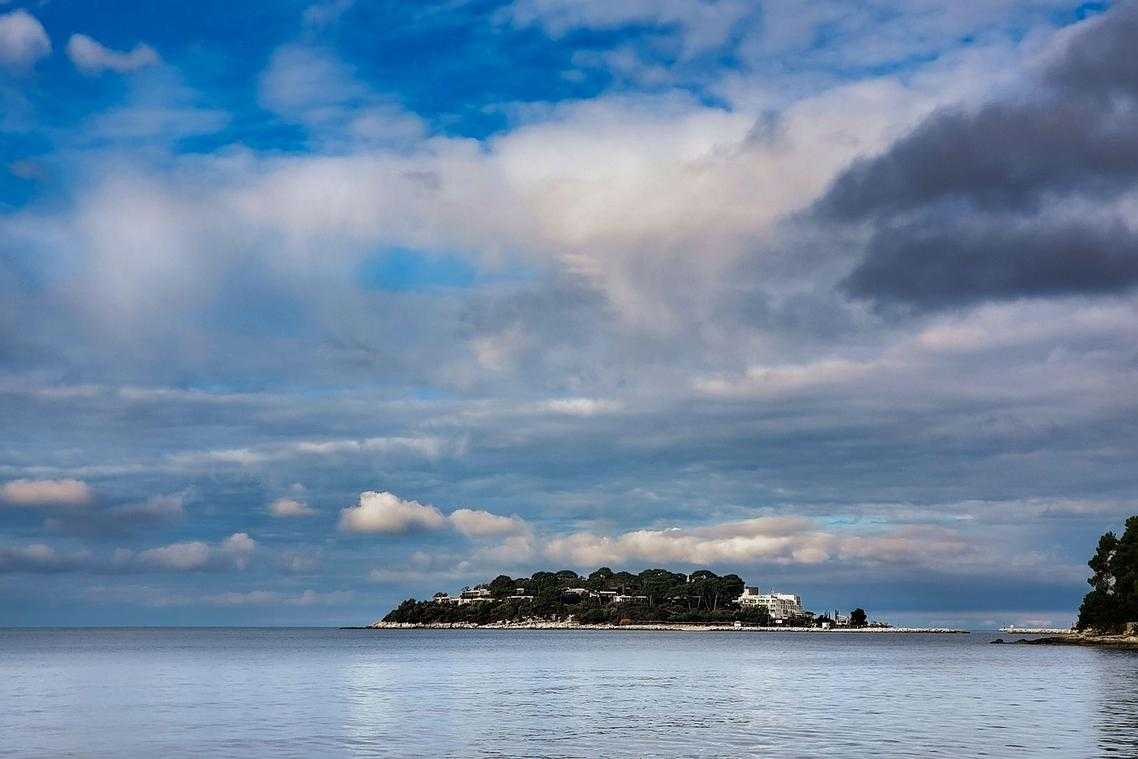
Reaching true seclusion isn’t accidental. It’s engineered.
Mastering Complex Air Travel
Most remote island getaways require multi-leg journeys—a series of connecting flights that move you from major international hubs to smaller regional airports. Some travelers argue these layered itineraries are exhausting and risky (missed connections, lost luggage, the whole sitcom subplot). Fair point.
But when planned strategically, they unlock serious advantages.
Fare optimization—the practice of mixing separate tickets, flexible date searches, and alternate hubs—can reduce long-haul costs by 15–30%, according to data from Expedia’s Air Travel Hacks Report (2023). Strategic layovers of 12–24 hours can also buffer delays and allow rest before a private transfer.
Pro tip: Book long-haul and regional legs separately only if you allow generous connection windows and carry essentials in your cabin bag.
The Final Mile: Private Charters
Commercial airlines rarely land on isolated airstrips. That’s where private seaplanes, helicopters, or yachts step in. These charters operate on weight limits, weather windows, and daylight restrictions—details that directly impact timing and cost.
Critics say private transfers are extravagant. Yet in destinations without commercial infrastructure, they’re not luxury—they’re logistics. Vet operators by confirming safety certifications, insurance coverage, and recent maintenance records. Ask about contingency plans for sudden weather shifts.
Timing Is Everything
Shoulder seasons—the window between peak and low demand—often deliver 20–40% lower rates (Skyscanner, 2024) while preserving favorable weather. Fewer guests also mean quieter beaches and more attentive service.
Packing for Paradise
Bespoke resorts provide curated amenities, but availability can be limited. Pack reef-safe sunscreen, prescription backups, versatile linen layers, and specialized gear like snorkeling masks fitted to you. Minimalism works—just make it intentional.
Crafting Your Perfect Stay: Beyond Sunbathing
First, collaborate with your island concierge well before arrival. Share dietary needs, certifications, and bucket-list goals so they can arrange private guided dives, chef-led cooking classes, or chartered sunset sails tailored to you. This pre-planning—often called a bespoke itinerary, meaning fully customized travel—prevents last-minute disappointments.
Next, decide where you fall on the digital detox spectrum. Some travelers want zero Wi-Fi; others need satellite speeds for Zoom calls. Confirm bandwidth tests in advance.
Finally, ask about NDAs and privacy protocols. High-end properties routinely protect guests from paparazzi-style intrusions, essential for peace on remote island getaways.
Your Private Horizon Awaits
Dreaming of an island escape without the crowds? It’s possible—and practical—when you plan with intention. You don’t have to accept packed beaches or noisy infinity pools (even five-star resorts can feel like theme parks). Instead, prioritize seclusion, limited-room properties, and flexible flight routes that reduce connection stress.
To secure true privacy:
- Research shoulder-season availability.
- Compare charter transfers versus public ferries.
- Confirm guest-to-staff ratios before booking.
These steps turn remote island getaways into reality. Use this guide as your blueprint, start mapping destinations, and book decisively. Your horizon is waiting. Claim it now.
Your Next Adventure Starts Now
You came here looking for smarter ways to book flights, uncover better fares, and discover destinations that feel unforgettable. Now you have the strategies to navigate fare fluctuations, plan with precision, and uncover opportunities other travelers often miss.
Overpaying for flights or settling for overcrowded destinations can turn an exciting trip into a frustrating experience. With the right booking tactics, timing insights, and destination research, you can avoid those common travel pain points and unlock experiences that truly inspire — including breathtaking remote island getaways that most tourists never even consider.
The key now is action. Start tracking fares earlier, stay flexible with your dates, and use proven optimization strategies to secure the best value for your next trip. Don’t let rising prices or limited availability dictate your plans.
Ready to travel smarter and save more? Explore the latest flight insights, uncover hidden destination gems, and apply these fare-winning strategies today. The sooner you plan strategically, the sooner you’ll be boarding your next unforgettable journey.