Planning your next trip shouldn’t feel like guesswork. Whether you’re searching for flight booking tips, smarter fare optimization tactics, or guidance on uncovering hidden gem destinations, you’re here because you want to travel better—without overspending or overlooking unforgettable experiences. This article is designed to help you do exactly that.
We break down current travel trends, practical destination planning strategies, and proven ways to secure competitive airfare. You’ll also discover how to identify the best time to visit destinations so you can avoid peak crowds, reduce costs, and enjoy more authentic experiences. Every recommendation is grounded in real-time travel data, industry research, and insights drawn from analyzing booking patterns and fare fluctuations.
If you want clearer decisions, better flight deals, and smarter travel timing, you’re in the right place. Let’s simplify the process and help you plan with confidence.
Finding Your Perfect Travel Window
Choosing the best time to visit destinations isn’t about luck; it’s about understanding trade-offs. Three forces shape every trip: weather (climate conditions), pricing (airfare and hotel rates), and crowd density (how busy attractions feel).
Many travelers assume peak season equals perfection. Sometimes that’s true—think cherry blossom week in Kyoto—but prices spike and lines stretch. Others swear by off-season bargains, yet risk monsoons or closures.
The sweet spot? Shoulder season—the period between peak and off-peak when weather remains pleasant, costs dip, and crowds thin.
- Balance climate charts with event calendars.
- Compare fare trends 2–3 months out.
Spring Destinations: Blooming Cities and Fewer Crowds
Have you ever wondered why seasoned travelers rave about spring? March through May sits in the sweet spot between winter chill and summer swarms (and yes, fewer selfie sticks). It’s often the best time to visit destinations that feel overwhelming in peak season.
In Europe’s capitals—Paris, Rome, Amsterdam—mild weather makes long walks delightful, not draining. Lines at the Louvre or Colosseum shrink, parks burst into color, and flights and hotels typically cost less than in July (shoulder season = the travel industry’s in-between period with better value).
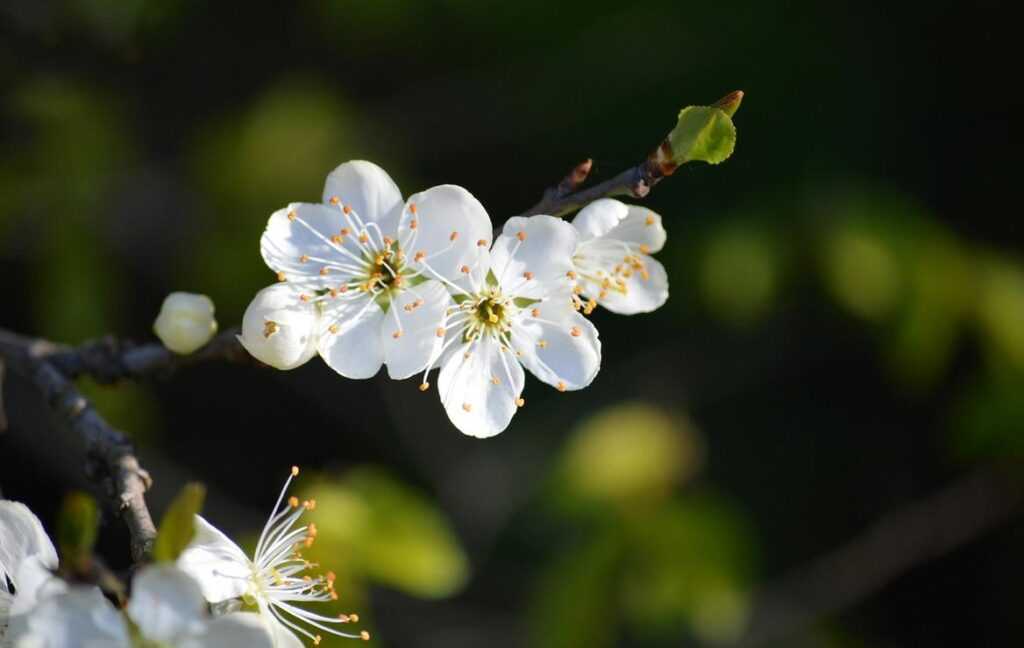
Japan’s sakura season is more than pretty petals. Cherry blossoms symbolize renewal and life’s fleeting beauty, drawing locals to picnic beneath pink canopies. Timing matters: blooms start in late March in the south and reach northern cities by early May. Wouldn’t it be magical to catch them at peak blush?
U.S. national parks like Zion and Yosemite also shine. Spring brings roaring waterfalls from snowmelt and carpets of wildflowers—without extreme heat or bumper-to-bumper traffic at trailheads.
| Destination | Why Spring Works |
|————-|——————|
| Paris | Blooming gardens, shorter queues |
| Kyoto | Cherry blossoms, cultural festivals |
| Yosemite | Powerful waterfalls, mild hikes |
Curious about planning smarter routes? Explore more tips at https://ttweakflight.com and start mapping your spring escape.
Summer Escapes: Maximizing Sun and Adventure
June through August is peak travel season—and honestly, I think that’s part of the magic. Yes, crowds swell. Yes, prices spike. But there’s a reason these months are considered the best time to visit destinations across Europe and North America: access, energy, and long golden evenings you just don’t get in shoulder season.
Take Mediterranean beaches like Greece and Croatia. This is high season, no question. Flights and hotels climb fast (supply and demand in action). Still, I’ve found mid-week departures—especially Tuesday or Wednesday—often shave noticeable dollars off airfare, according to fare trend data from Hopper (2024). Skip Santorini and try Naxos or Vis instead; lesser-known islands offer the same turquoise water without the cruise-ship shuffle. Pro tip: book early morning ferries for calmer seas and thinner crowds.
Scandinavia and Northern Europe shine in summer thanks to the Midnight Sun—when daylight stretches nearly 24 hours. Hiking Norway’s fjords at 9 p.m. in full light feels almost surreal (like a scene out of a fantasy film).
In the Canadian Rockies—Banff and Jasper—summer means snow-free trails and those iconic turquoise glacial lakes. Parks Canada reports visitation peaks in July, so reserve accommodations and park passes months ahead. If you’re balancing culture adventure and relaxation in one trip, explore balancing culture adventure and relaxation in one trip before you lock in plans.
Autumn Journeys: Foliage, Festivals, and Lower Fares

September through November might be the travel industry’s best-kept secret (seriously, blink and the deals are gone). This is the sweet spot between peak-season crowds and winter price hikes—often delivering lower airfare, thinner lines, and richer local experiences.
New England
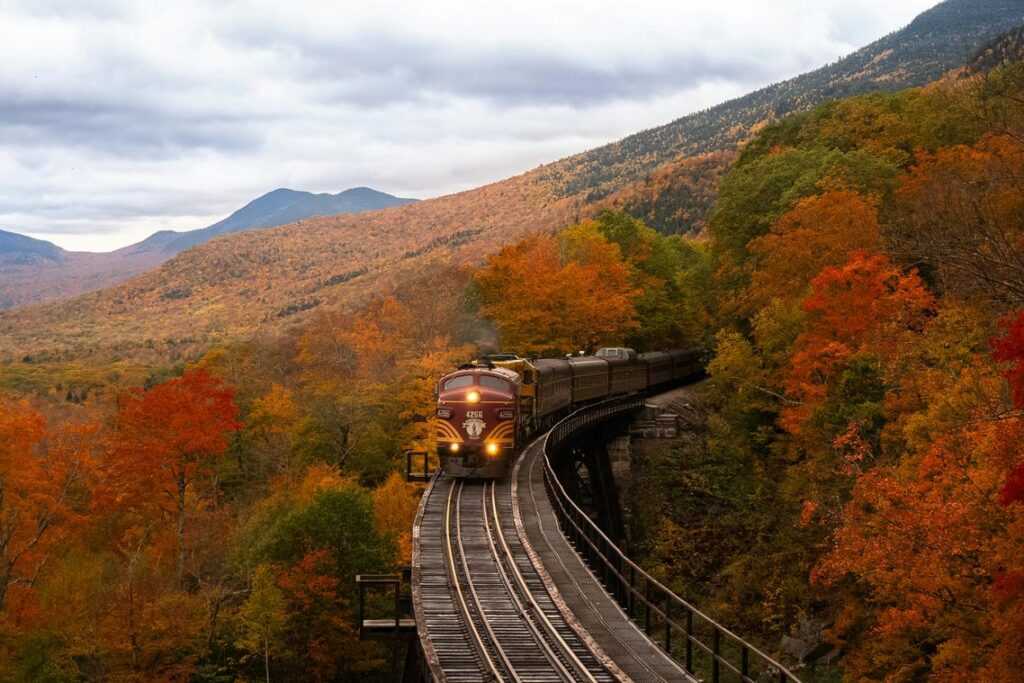
Fall foliage tours are the headline act. Peak colors typically arrive in late September in northern states like Maine and Vermont, rolling south toward Massachusetts and Connecticut by late October. Scenic drives along the Kancamagus Highway or rail tours through the White Mountains offer front-row seats to crimson and gold landscapes. Add cozy inns, apple picking, and harvest festivals, and you’ve got postcard-perfect charm with shoulder-season rates.
European Wine Regions
In Tuscany and Bordeaux, autumn means vendemmia—the grape harvest. Vineyards buzz with activity, villages host food festivals, and fresh-pressed wines debut alongside truffle and mushroom dishes. Compared to summer, you’ll find fewer tourists and better availability at boutique stays (a rare win-win). It’s immersive, flavorful, and refreshingly authentic.
Mexico and Central America
Late autumn marks the end of the rainy season, revealing lush green scenery and pleasant temperatures before winter crowds arrive. Resorts often adjust prices downward, making this window one of the best time to visit destinations seeking value and vibrancy.
For flexible travelers tracking fares via tools like Google Flights (https://www.google.com/travel/flights), autumn delivers both atmosphere and savings.
Winter Getaways: From Snowy Peaks to Sandy Shores
Winter travel isn’t one-size-fits-all. It’s a season of contrast—icy breath on mountain air or warm salt spray on sun-kissed skin.
Tropical Escapes
From the turquoise waters of the Caribbean to Thailand’s palm-lined beaches, December through February is the dry season in many tropical regions. The air feels balmy, the sand powder-soft between your toes, and evenings carry the scent of grilled seafood and ocean breeze. It’s the perfect antidote to gray skies. Flights spike around late December, so aim for early December or mid-January departures for better fares. (Holiday crowds thin, prices often follow.)
European Christmas Markets
Germany and Austria glow with fairy lights reflecting off cobblestone streets. Wooden stalls brim with hand-carved ornaments, and the air smells of cinnamon-dusted pastries and mulled wine. Choirs echo through town squares. This isn’t just shopping—it’s stepping into living tradition.
Ski Destinations
The Alps and Colorado deliver crisp powder and the rhythmic scrape of skis on snow. For fewer lift lines, try smaller resorts like Austria’s Alpbach or Colorado’s Sunlight Mountain—often better value, with reliable snowfall.
| Destination Type | Atmosphere | Ideal Months |
|——————|————|————–|
| Tropical | Warm, breezy, sunlit | Dec–Feb |
| Christmas Markets | Festive, aromatic, glowing | Dec |
| Ski Resorts | Crisp, alpine, snowy | Jan–Feb |
Planning around the best time to visit destinations in the section once exactly as it is given ensures every moment feels just right.
Plan Smarter, Travel Better
By now, one thing should be clear: timing changes everything. When you match your destination to the calendar, you unlock better weather, lower prices, and fewer crowds—without settling for less. In other words, you don’t have to choose between comfort and cost.
Start by researching the best time to visit destinations that fit your interests. Then, compare peak and shoulder seasons to see where flexibility saves you money. For example, shifting a Mediterranean trip from July to late September often means warm seas but lower hotel rates.
Ultimately, book when your priorities—weather, budget, experience—finally align.
Plan Smarter, Travel Better, Experience More
You came here looking for smarter ways to plan your trips, save on airfare, and uncover destinations that most travelers overlook. Now you have the tools—fare optimization tactics, booking strategies, and insight into the best time to visit destinations—to turn ordinary travel into something exceptional.
The frustration of overpaying for flights or missing out on unforgettable places is real. Travel should feel exciting, not stressful or uncertain. With the right timing, research approach, and destination strategy, you can avoid inflated prices, crowded seasons, and last-minute booking panic.
Now it’s your move. Start tracking fare trends, compare routes early, and plan around seasonal demand shifts. Don’t wait until prices spike or hidden gems become mainstream.
Ready to stop overpaying and start traveling smarter? Use our expert-backed flight booking tips and destination strategies today to secure better deals, discover unique spots, and plan with confidence. Your next great trip starts with one smart decision—make it now.