

Planning smarter trips today means staying ahead of shifting airfare trends, emerging destinations, and the latest travel technology innovations reshaping how we book and explore. If you’re searching for practical ways to find better flight deals, optimize your travel budget, and uncover destinations that aren’t overcrowded or overpriced, this guide is built for you.
Travel has become more dynamic than ever. Prices fluctuate by the hour, new routes launch quietly, and hidden gems can go viral overnight. Without the right strategies, it’s easy to overpay or miss out entirely. That’s why this article breaks down current travel horizon headlines, proven flight booking tactics, and smart fare optimization strategies you can apply immediately.
Our insights are grounded in continuous market monitoring, real-time fare tracking tools, and analysis of evolving booking platforms. We focus on data-driven trends, not guesswork, so you can plan with confidence, secure better value, and discover opportunities other travelers often overlook.
Remember when we folded paper maps across the hood of a rental car? Today, a fully connected, AI-driven travel ecosystem fits in your pocket. I believe this shift is one of the most underrated revolutions of our time. Granted, modern travel can feel overwhelming—fare comparisons, dynamic pricing, unfamiliar streets. However, smart algorithms now predict price drops, personalize stays, and translate menus instantly. These travel technology innovations aren’t just convenient; they’re transformative. For example, apps that optimize routes save hours in cities like Tokyo or Rome. Ultimately, you’ll see how tech is reshaping flights, stays, and every in-destination decision we make.
Hyper-Personalization: Your AI-Powered Travel Agent
Remember when booking a trip meant scrolling through endless tabs and hoping for the best? Today, hyper-personalization—the use of artificial intelligence (AI) to tailor experiences to an individual—has changed that completely.
Beyond Chatbots
Early travel bots answered basic questions like “What’s my baggage allowance?” Now, AI systems function as predictive engines. A predictive engine is software that analyzes patterns in data to forecast outcomes. Instead of reacting to your questions, it anticipates your needs. Think less “automated FAQ” and more “digital concierge who knows you forgot to check visa rules.”
Dynamic Itineraries
AI builds dynamic itineraries, meaning day-by-day plans that adjust based on your preferences and behavior. It reviews:
- Past trips
- Search history
- Budget patterns
- Activity preferences
If you linger on food tours and boutique hotels, your plan reflects that. If you prefer museums by day and jazz bars by night, it adapts. (Yes, it’s a little like having Jarvis from Iron Man plan your vacation.) This is one of the most practical travel technology innovations shaping modern travel.
Fare Optimization Tactics
Airfare pricing feels mysterious because it is. Airlines use dynamic pricing—fares shift based on demand, seasonality, and competition. AI tools analyze historical pricing trends and alert you when data suggests fares are likely at their lowest point. In simple terms: it watches the price rollercoaster so you don’t have to.
Hidden Gem Discovery
Machine learning—AI that improves by learning from data—also surfaces lesser-known destinations aligned with your style. Instead of crowded landmarks, you get curated recommendations that actually fit you (because nobody dreams of elbowing through tourist traps).
The End of Queues
Airports are quietly redesigning the passenger journey—and the results are measurable. Biometric facial recognition, once experimental, is now cutting boarding times by up to 30%, according to SITA’s 2023 Air Transport IT Insights report. Facial recognition works by matching a traveler’s live image to their passport or stored profile, eliminating repeated document checks. From self-service bag drops to automated eGates at security and boarding, the process reduces friction and human error (and yes, fewer frantic searches for your passport).
The Power of Contactless
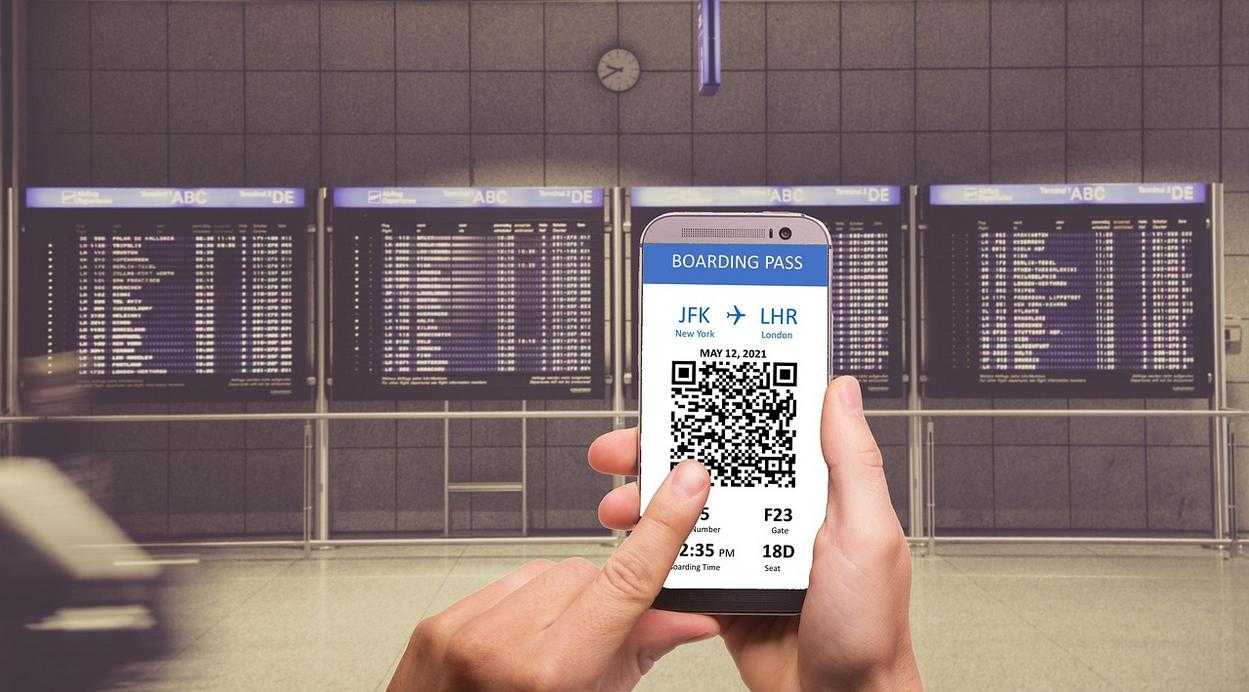
NFC (Near Field Communication) and QR codes are powering truly touch-free terminals. ACI World reports that over 70% of airports accelerated contactless deployments post-2020. Travelers now tap phones for lounge access, scan QR menus at restaurants, and receive real-time gate updates instantly. These systems reduce transaction times and improve passenger flow—clear evidence that small digital shifts can create major operational gains.
Smart Luggage Solutions
Lost baggage claims dropped by 25% in 2022 as tracking technology improved (SITA). Real-time tracking apps and Bluetooth-enabled tags allow travelers to monitor bags from curb to carousel. This wave of travel technology innovations delivers peace of mind—and fewer “where’s my suitcase?” moments.
Try Before You Fly: Immersive Tech in Destination Planning
Booking a trip used to feel like buying a house from a single photo. Now, Virtual Reality (VR)—a computer-generated simulation that lets you “step inside” a digital environment—acts like an open house before you sign the contract. Travelers can stroll through hotel suites, inspect cruise ship cabins, or stand beneath the Eiffel Tower without leaving their couch. It’s less guesswork, more preview (like watching the trailer before committing to a two-hour movie).
Meanwhile, Augmented Reality (AR)—technology that layers digital elements onto the real world—works like a smart pair of glasses for your journey. Point your phone at ancient ruins and see historical timelines appear. Need directions in Tokyo? AR overlays arrows on the sidewalk. Even language barriers shrink with real-time translation hovering over street signs.
Granted, some argue these tools remove the magic of surprise. If you’ve already “seen” the Colosseum, is the wonder diminished? Not quite. Think of it as studying a map before a road trip—it doesn’t spoil the drive; it makes it smoother.
Ultimately, travel technology innovations empower informed decisions. For deeper insights, explore the top global travel trends shaping 2026. Confident previews lead to better bookings—and fewer regrets later.
Smarter and Greener: Technology for Sustainable Travel
Sustainable travel is no longer a niche idea—it’s becoming the default expectation. Fortunately, travel technology innovations are making it easier to explore the world responsibly.
First, consider carbon footprint tracking. Many flight and hotel booking platforms now integrate carbon calculators, which estimate the greenhouse gas emissions produced by your trip. A carbon footprint is the total amount of emissions generated by an activity, usually measured in CO2 equivalents. With this data visible at checkout, travelers can compare options and even purchase verified offsets. Some argue offsets are just “paying to pollute.” That concern is valid. However, when paired with lower-emission choices—like nonstop flights or eco-certified stays—they become a practical step forward.
Meanwhile, eco-conscious connections matter just as much. Apps now link travelers to certified sustainable tour operators, eco-lodges, and local businesses, removing guesswork.
Finally, IoT (Internet of Things) devices in hotels automatically manage lighting, water, and temperature. The result? Lower resource use without sacrificing comfort (and you probably won’t even notice the switch).
Your next adventure is no longer guesswork.
Today’s AI-driven personalization studies your preferences, past trips, and budget to suggest smarter routes. At the airport, biometric check-ins and app-based boarding create seamless airport tech that cuts lines. Immersive planning tools map neighborhoods in 3D, while sustainability dashboards track carbon impact.
Together, these travel technology innovations remove friction and uncertainty.
- Personalized fare alerts surface optimal booking windows.
- Real-time disruption updates reroute you instantly.
- Eco-score comparisons support responsible choices.
Why settle for outdated planning?
Embrace these tools to unlock a more efficient, personalized, and rewarding way to see the world.
Ready to Elevate Your Next Journey
You came here looking for smarter ways to book flights, uncover better fares, and plan trips with confidence—and now you have the strategies to do exactly that. From fare optimization tactics to destination planning insights and the power of travel technology innovations, you’re equipped to stop overpaying and start traveling smarter.
The real pain isn’t just high ticket prices—it’s the frustration of missing out on better deals, better routes, and better experiences because you didn’t have the right information at the right time. Now you do.
The next step is simple: put these insights into action. Start comparing fares strategically, track price trends before booking, and leverage smarter tools to uncover hidden opportunities. Travelers who consistently apply these methods save more and travel better.
Don’t leave your next trip to chance. Take control of your booking strategy today, use proven fare optimization techniques, and unlock travel experiences that feel first-class—without paying first-class prices.