
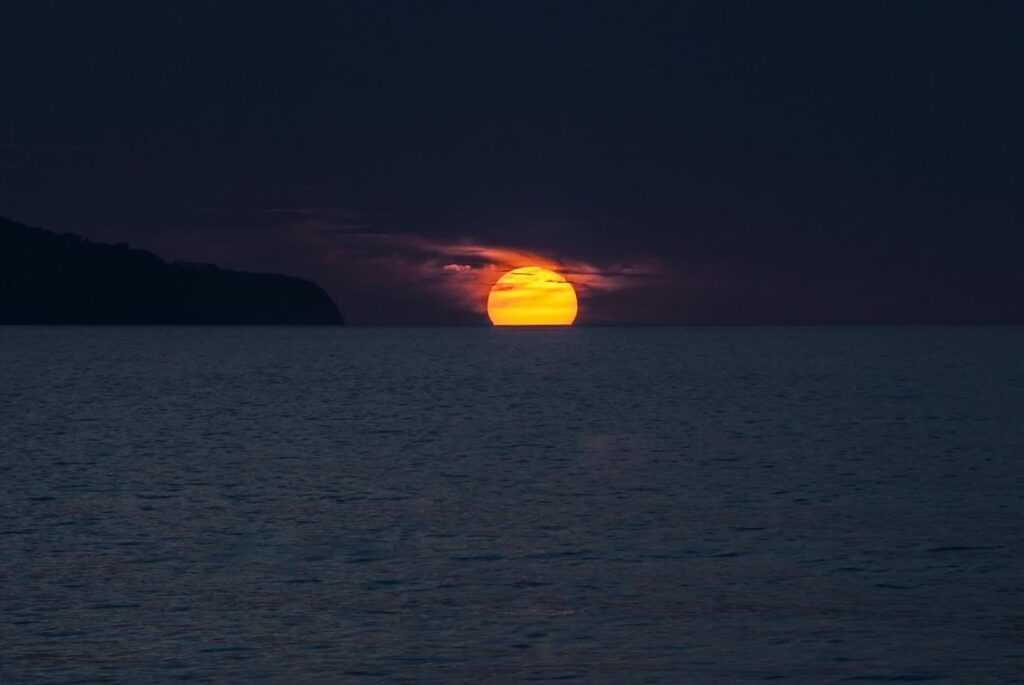
The Azores, Portugal: The Atlantic’s Volcanic Paradise

If you’ve ever wanted Hawaii-level drama without Hawaii-level crowds (and prices), the Azores deliver. This autonomous Portuguese archipelago rises straight out of the Atlantic in a riot of volcanic craters, emerald hills, and steaming hot springs. It’s often compared to the “Hawaii of Europe,” and while some argue that comparison is overused, the raw landscapes here genuinely justify it.
Start with São Miguel, the largest island and your best all-around base. Go straight to Sete Cidades, where twin lakes—one blue, one green—fill a massive volcanic crater. The views from Vista do Rei are the kind that make your camera roll weep. Then head to Furnas Valley, where geothermal vents bubble and locals cook cozido stew underground using volcanic heat (yes, really). Cap it off wandering the cobblestone streets of Ponta Delgada, equal parts relaxed and refined.
For the best experience, visit during April–May or September–October. You’ll get lower prices, mild weather, and fewer tour buses.
Fare optimization tactic: Book a budget flight to Lisbon or Porto first, then grab a separate SATA Air Açores hop to São Miguel—it’s often significantly cheaper.
Pro tip: Treat the Azores like one of those underrated European cities—go now, before everyone else catches on.
Ghent, Belgium: A Fairytale City Without the Crowds
While tourists pack into Bruges shoulder-to-shoulder, Ghent quietly delivers the same medieval magic—without feeling like a theme park. In fact, it’s one of those underrated European cities that still feels lived-in (because it is). As a university town, Ghent blends Gothic towers, buzzing cafés, and canal views with a younger, creative energy.
Start with Gravensteen, a 12th-century castle rising dramatically from the city center. You can walk the ramparts and get panoramic views—perfect for photos, especially near sunset. Then head to St. Bavo’s Cathedral, home to the Ghent Altarpiece (also called the Adoration of the Mystic Lamb, a 15th-century masterpiece by the Van Eyck brothers). Art lovers consider it one of Europe’s most important paintings (Smithsonian Magazine).
Afterward, take a canal boat tour past the Graslei and Korenlei, historic harbor streets lined with guild houses. Seeing the façades from the water feels straight out of a fantasy film (yes, very “medieval HBO intro”).
Practical tip: Use Ghent as your base. Trains to Bruges and Antwerp take about 25–50 minutes. Book tickets in advance via the SNCB/NMBS app—especially on weekends—to lock in lower fares and skip station queues.
And if you love discovering places that dodge mass tourism, you’ll also appreciate these [hidden beach destinations away from the crowds].
Ghent proves you don’t have to choose between beauty and breathing room.