
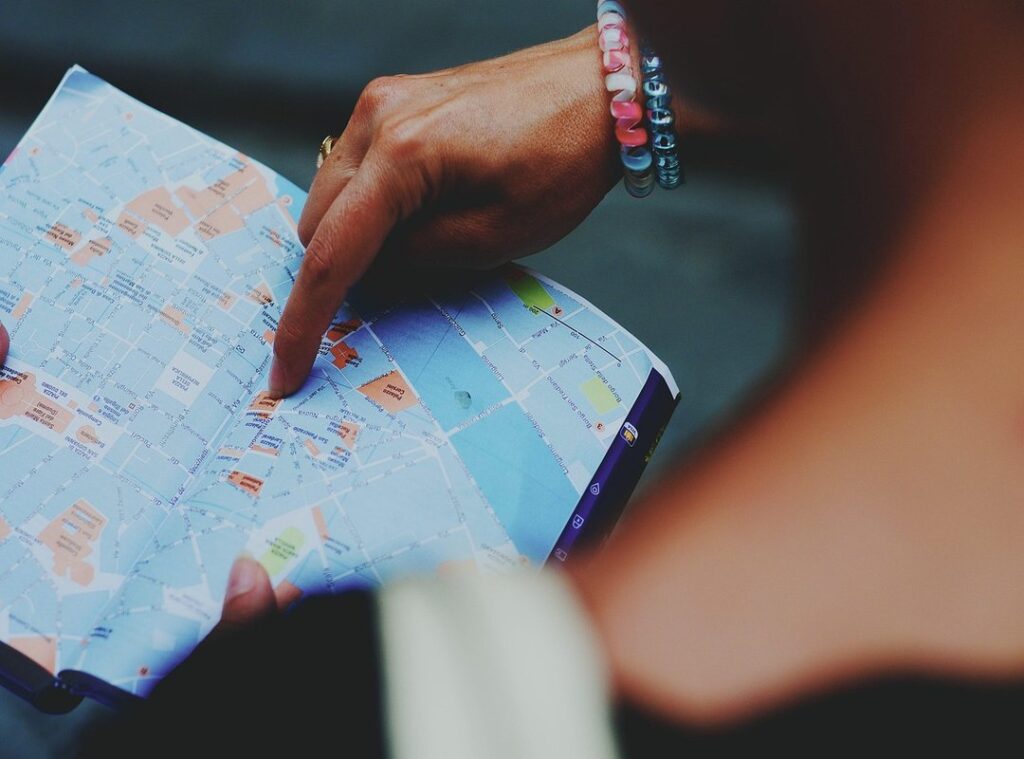
Scrolling through social media, seeing the same ten travel spots plastered everywhere, ever notice how travel feels stale? Overtourism doesn’t just crowd our favorite destinations (it) makes them feel like everyone’s been there, done that. Finding those truly secret travel spots becomes a game of hide-and-seek. we come in.
We’ve dived into flight routes and travel data, poking around the nooks and crannies to uncover destinations that remain untouched by the Instagram hordes.
Why trust us? Because we’ve done the legwork, sifting through endless destinations to spot the genuine gems. This guide is not just a map to hidden wonders.
It’s a toolkit. You’ll learn to unearth your own unique travel stories. Ready to ditch the postcard clichés and chase authentic experiences?
Let’s get started.
Unseen Wonders: The Joy of Off-the-Beaten-Path Travel
Why do we squeeze ourselves into crowded places like sardines? Waiting in line at a famous monument (you know the one) has its charm, but it can’t beat the thrill of stumbling upon secret travel spots. Imagine having a pristine beach or ancient ruins almost to yourself.
The peace, the solitude. It’s unparalleled.
Undertourism is my antidote to mainstream travel madness. It’s not just about dodging crowds. It’s about finding deeper connections with cultures, supporting local economies, and the personal growth that comes from navigating these lesser-known paths.
We’ve all heard tales of travelers who’ve found themselves in hidden gems, while others shuffle through tourist traps. Who wouldn’t trade a packed museum for a quiet morning walk through a forgotten village?
Here’s the real kicker: the joy you feel exploring these secret spots isn’t just personal. It’s impactful. Your visit boosts small communities, keeping their traditions alive.
That sounds like a win-win to me.
So why not challenge yourself? Skip the lines and embrace the road less traveled. And if you’re curious about african hidden gems adventure lovers, there’s a whole world waiting beyond the brochure.
What are you waiting for? Adventure calls.
Secret Travel Spots: Unveiled
When I think of perfect coastal escapes, I picture places people haven’t overrun yet (where you can actually hear the ocean). Ever heard of São Tomé and Príncipe? Probably not.
It’s a remote African island near the equator, mostly ignored because of its famous neighbors. The beaches have powdery white sand and the water? Crystal clear.
That’s not even the best part. It’s the tranquility you’ll remember. You can stroll for hours without seeing another soul, which, let’s be honest, feels like an impossible luxury these days.
Then there’s the Con Dao Islands in Vietnam. They’re often overshadowed by the likes of Ha Long Bay, and honestly, I’m glad! Fewer tourists means more space for you and me to explore.
These islands are all about rugged beauty and untouched beaches. Getting here will be an adventure (you’ll have to fly to Ho Chi Minh City first, then take a short domestic flight). But that’s the appeal, isn’t it?
It’s an extra travel leg worth every minute.
Now let’s pivot to something closer to home. Have you checked out the 20 underrated destinations in the usa? You’ll find gems hiding in plain sight.
This list can spark your next road trip.
Oh, pro tip for booking these flights, folks: think about flying into major hubs and renting a car. It’s often cheaper and more scenic. Imagine driving along the coast with the sun setting in your rearview. Bold experiences like this?
They’re what travel dreams are made of. So, why go with the tourist flow when you can discover your own secret travel spots?
Hidden Peaks: Mountain Adventures You’ve Never Heard Of
Ever heard of the Fann Mountains in Tajikistan? Probably not. Nestled in Central Asia, these mountains are a secret travel spot for those in the know.
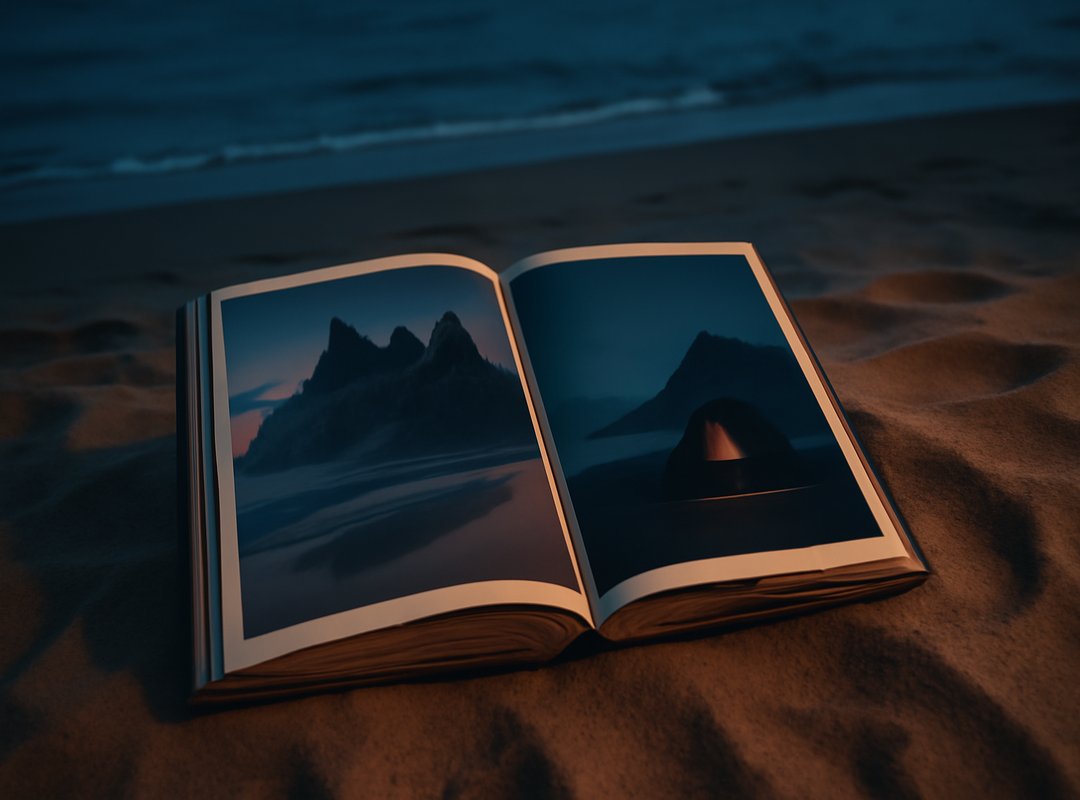
Picture shimmering turquoise lakes surrounded by towering peaks. The trails aren’t crowded, unlike the popular routes in Nepal or the Alps. Here, you can trek without constantly bumping into fellow hikers.
The paths are rugged but rewarding, leading you through lush valleys and past crystal-clear waters.
Planning tip: travel between July and September. Avoid the early summer snowmelt. Also, hire a local guide.
They’ll show you the hidden paths and make sure you don’t miss the breathtaking sunrise views.
Then there’s Georgia’s Svaneti region. This place is straight out of a fairytale. Medieval watchtowers dot the space, framed by the Caucasus’ highest peaks.
It’s an adventurer’s dream, offering hiking trails that zigzag through untouched nature. Yet, many trekkers overlook Svaneti, heading to crowded trails elsewhere.
Pro tip: visit in June or September. The weather’s perfect, minus the hordes. Stay with a local family for a true taste of Georgian hospitality.
And for something a bit different, the Picos de Europa in Spain. Lesser-known but spectacular. These mountains offer jagged peaks that challenge even seasoned climbers.
The scenery? Pure magic. Think deep gorges and green pastures.
Despite its beauty, it’s often overshadowed by the Pyrenees.
Key tip: bring layers. The weather changes fast, so be prepared. Mid-May to early October is the best time to visit.
If you’re curious about other hidden gems, Europe Underrated Cities Shouldn’t Miss might offer some surprises. Who doesn’t love discovering a new favorite spot?
Discovering Hidden Gems: Your Secret Travel Spots Guide
I’ve always believed that the best adventures lie off the beaten path. But how do you find these secret travel spots? Let me show you.
First, Master the Flight Map. Use those flight search tools with “Explore” or “Everywhere” functions. But here’s the trick: don’t just focus on major hubs.
Look for airports near them. It’s the perfect way to start a journey without being stuck in tourist traps.
Next, Follow the Breadcrumbs. Research day trips from big cities. Then, dig deeper.
Investigate those smaller towns as your main destination. Trust me, they’re often more charming and less crowded.
Want a local feel? Embrace the Second City plan. Visit a country’s second-largest city. Think Porto instead of Lisbon.
These cities often have great infrastructure and offer a vibe that’s more authentic. You’ll find they’re not just smaller versions of the capitals but have their own unique culture.
Lastly, Search by Passion, Not Place. This is where you truly become an explorer. Use niche keywords like ‘best cycling routes in Southern Europe’ or ‘Balkan cooking schools’.
This approach shifts your focus from typical tourist spots to destinations known for specific activities.
So, what’s next? Start planning your trip with these strategies. You’ll uncover places that aren’t just destinations but experiences.
Adventures await those who dare to look beyond the obvious. And who knows, you might find your favorite spot is a place you never expected. Ready to explore?
Break Free from the Tourist Trap
You’ve been there, right? Stuck in a sea of tourists, all snapping the same photos and trudging the same paths. It’s dull.
But there’s a way out.
The key lies in discovering those secret travel spots. It’s not just about the places on a list. It’s about having the skills to uncover these gems yourself.
Like a treasure hunter with a map only you can read.
Think about it. The most unforgettable story isn’t handed to you. It’s the one you write yourself with a dash of curiosity and the right tools.
Ready to escape the ordinary? Start exploring flight routes to a region you’ve never considered. Your next great adventure is just one clever search away.
Time to find your own path.

 Norvain Torrhaven has opinions about destination planning strategies. Informed ones, backed by real experience — but opinions nonetheless, and they doesn't try to disguise them as neutral observation. They thinks a lot of what gets written about Destination Planning Strategies, Hidden Gems, Tweak-Based Fare Optimization Tactics is either too cautious to be useful or too confident to be credible, and they's work tends to sit deliberately in the space between those two failure modes.
Reading Norvain's pieces, you get the sense of someone who has thought about this stuff seriously and arrived at actual conclusions — not just collected a range of perspectives and declined to pick one. That can be uncomfortable when they lands on something you disagree with. It's also why the writing is worth engaging with. Norvain isn't interested in telling people what they want to hear. They is interested in telling them what they actually thinks, with enough reasoning behind it that you can push back if you want to. That kind of intellectual honesty is rarer than it should be.
What Norvain is best at is the moment when a familiar topic reveals something unexpected — when the conventional wisdom turns out to be slightly off, or when a small shift in framing changes everything. They finds those moments consistently, which is why they's work tends to generate real discussion rather than just passive agreement.
Norvain Torrhaven has opinions about destination planning strategies. Informed ones, backed by real experience — but opinions nonetheless, and they doesn't try to disguise them as neutral observation. They thinks a lot of what gets written about Destination Planning Strategies, Hidden Gems, Tweak-Based Fare Optimization Tactics is either too cautious to be useful or too confident to be credible, and they's work tends to sit deliberately in the space between those two failure modes.
Reading Norvain's pieces, you get the sense of someone who has thought about this stuff seriously and arrived at actual conclusions — not just collected a range of perspectives and declined to pick one. That can be uncomfortable when they lands on something you disagree with. It's also why the writing is worth engaging with. Norvain isn't interested in telling people what they want to hear. They is interested in telling them what they actually thinks, with enough reasoning behind it that you can push back if you want to. That kind of intellectual honesty is rarer than it should be.
What Norvain is best at is the moment when a familiar topic reveals something unexpected — when the conventional wisdom turns out to be slightly off, or when a small shift in framing changes everything. They finds those moments consistently, which is why they's work tends to generate real discussion rather than just passive agreement.